Quick Search
Disabled Dating Magazine
Navigating Communication and Boundaries in Disability and Relationships
11-16-2026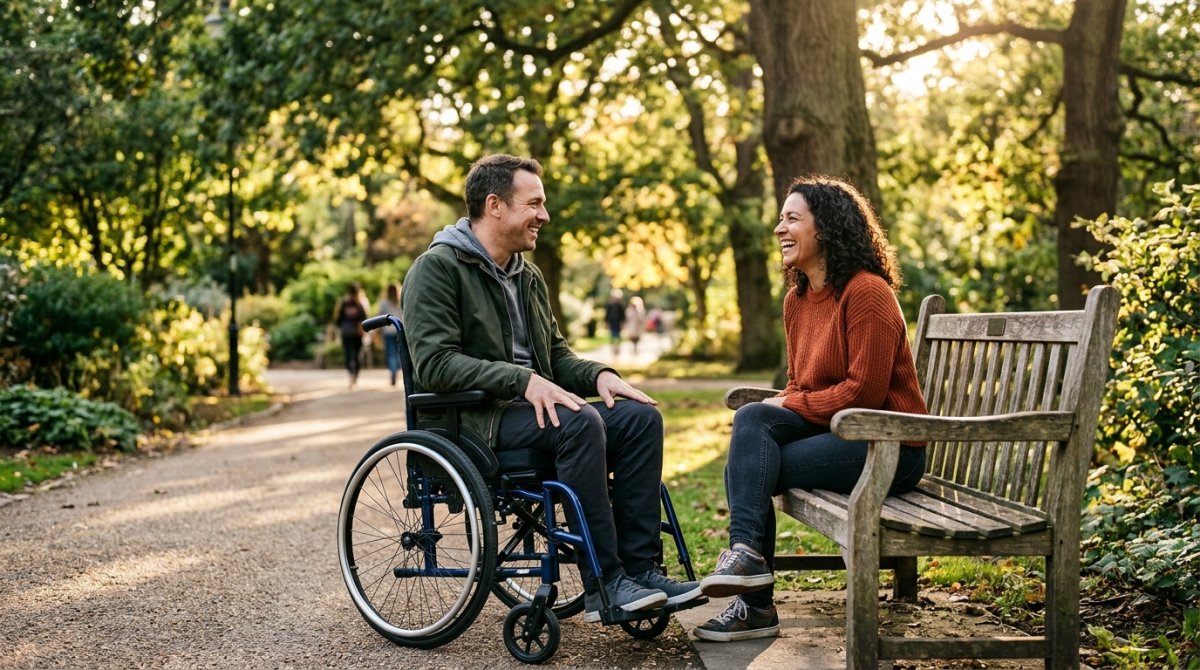
When you are entering the dating scene, balancing your personal needs with the desire for a meaningful connection can feel overwhelming. The intersection of disability and relationships is a unique journey that requires both partners to be intentional, honest, and compassionate. Whether you live with a chronic illness, are a wheelchair user, or have a non-visible disability like autism, finding love is entirely possible—and it starts with a strong foundation of communication and establishing boundaries. In this comprehensive guide, we will explore practical ways to advocate for yourself, understand your partner, and build a relationship rooted in mutual respect and genuine affection.
The Core of Disability and Relationships: Open Communication
Every successful partnership thrives on honesty, but when navigating disability and relationships, clear communication in relationships becomes even more essential. Your lived experience is uniquely yours, and even the most empathetic partner cannot read your mind. It is incredibly important to articulate your needs, energy levels, and comfort zones early on in the dating process.
Many people worry that discussing their disability on a first or second date might scare someone away or change the mood. However, framing these conversations around your lifestyle and needs—rather than presenting your disability as a clinical medical resume—helps your date understand who you are as a whole person. For instance, if you live with chronic fatigue or chronic pain, you might simply explain that you prefer relaxed afternoon coffee dates over late-night dinners or crowded venues. This sets clear expectations from the start.
If you are looking for more guidance on how to carry yourself with self-assurance during these early conversations, reading up on building unshakeable confidence can be a great step. Confidence naturally enhances how you communicate, allowing you to express your needs boldly without ever feeling like a burden.
Setting Healthy Boundaries Early On
Setting healthy boundaries is a critical skill for anyone looking for love, but it holds special weight for disabled singles. Boundaries protect your physical energy, emotional well-being, and personal autonomy. They teach your new partner how to treat you and how to support you in ways that feel empowering rather than patronizing.
Consider the following practical strategies for establishing boundaries in your dating life:
- Define your physical limits: Be upfront about what activities work for you. If a date suggests a hiking trail that is inaccessible or exhausting, confidently suggest an alternative that you will actually enjoy.
- Protect your medical privacy: You are not obligated to share your entire medical history right away. Share what is relevant to the date, and save the deeper, more vulnerable conversations for when mutual trust has been established.
- Clarify your need for assistance: Sometimes, a well-meaning date might try to help you in ways you do not need or want. Politely but firmly explain what you can do independently and when you actually welcome a helping hand.
- Guard your emotional energy: Dating can be socially and emotionally exhausting. Give yourself permission to decline dates or take breaks from messaging when you need time to recharge.
When you prioritize setting healthy boundaries, you naturally filter out incompatible matches and attract partners who respect your autonomy and value your well-being.
Shifting from Independence to Interdependence
A common challenge for people with disabilities in the dating world is finding the right balance between maintaining independence and relying on a partner. Society often places a heavy, unrealistic emphasis on total independence, but healthy relationships are actually built on interdependence—the idea that both partners rely on each other in different, equally valuable ways.
You might need physical assistance or specific accommodations from your partner, but you also provide emotional support, companionship, humor, intellect, and love. Your contributions to the relationship are just as significant. Recognizing this mutual exchange is vital for maintaining a balanced dynamic where neither person feels relegated to the role of a caregiver or a patient.
If you find yourself struggling with these relationship dynamics, exploring comprehensive dating advice can help you reframe your mindset. Remember that vulnerability is a strength. Allowing a partner to support you does not diminish your worth, your autonomy, or your independence.
Dating Someone with a Disability: A Partner's Perspective
If you are an able-bodied person or someone without a disability who is entering this space, you might be wondering how to be the best partner possible. Dating someone with a disability does not require you to be an expert on their specific condition; it simply requires you to be an active listener, a willing learner, and an empathetic companion.
First, avoid making assumptions about what your partner can or cannot do. Always ask before jumping in to help, and respect their answer if they say no. Second, focus on accessibility when planning dates. Take the initiative to check if restaurants have step-free access, accessible restrooms, or quiet environments if your partner is sensitive to sensory input. These small, thoughtful actions show that you genuinely care about their comfort and inclusion.
Finally, look out for the signs of a truly inclusive mindset. Embracing empathy and understanding the green flags of inclusive dating will help you foster a deep, meaningful connection. Dating someone with a disability is ultimately about dating a person—with their own passions, quirks, flaws, and dreams. Focus on building a romantic connection just as you would in any other relationship.
Navigating Physical and Emotional Intimacy
Intimacy, both physical and emotional, is a beautiful part of dating. However, it can also bring up insecurities, especially when navigating physical limitations, mobility aids, or chronic pain. The key to a fulfilling intimate life is, once again, communication in relationships.
Take the pressure off the physical act of intimacy and focus on building emotional closeness first. Discuss your comfort levels, what feels good, and what might cause discomfort. A compassionate partner will prioritize your well-being and be willing to adapt. Intimacy is not a one-size-fits-all experience; it is a shared language that you and your partner create together through patience and trust.
Please note that while this article offers general relationship guidance, it is not a substitute for professional medical or therapeutic advice. If you are experiencing physical pain or psychological hurdles regarding intimacy, consider consulting a qualified healthcare professional or therapist who can provide personalized support.
Frequently Asked Questions (FAQ)
How soon should I disclose my disability when dating online?
There is no single right answer to this question. Some people prefer to mention it directly in their dating profile to filter out incompatible matches immediately, while others prefer to bring it up during the first few messages or in person on the first date. Choose the approach that makes you feel most comfortable, secure, and authentic.
How do I handle a partner who is overly protective?
Open dialogue is your best tool. Gently explain that while you appreciate their care and affection, their overprotectiveness feels stifling to your independence. Reiterate your boundaries and offer specific examples of how they can support you without overstepping or treating you like a child.
Can a relationship work if both partners have different disabilities?
Absolutely. Many successful couples navigate multiple disabilities together. It requires a high level of empathy, patience, and creative problem-solving, but it can also lead to a profound mutual understanding and a deeply supportive bond that strengthens the relationship over time.
What if I feel like a burden to my partner?
Feelings of being a burden are common but often unfounded. Remember that your partner chooses to be with you because they value who you are as a person. Focus on the emotional support, joy, and companionship you bring to the relationship. If these negative feelings persist, speaking with a counselor or therapist can be incredibly helpful.
Embrace Your Journey to Love
Navigating the dating world requires patience, self-love, and a willingness to be vulnerable. By prioritizing open communication, setting firm boundaries, and embracing your unique journey, you can build a fulfilling and lasting partnership. The intersection of disability and relationships is a space where deep, authentic love can truly flourish. If you are ready to meet like-minded singles who understand and respect your journey, take the next step today. Create your profile and start your search with a free sign-up to Dating4Disabled to connect with a community that celebrates you exactly as you are.
Back to Magazine
New members
-
AidanBass, 20
-
rtddgs, 39
-
Nick 9999, 35
-
candy12345, 33
-
Alex3311, 22
-
Jane Weller, 35
-
JCBonn, 65
-
pricsy1, 32
-
Gideon1, 60
-
BonnoFromHell, 32
-
hdiva96icloud.com, 29
-
xDeafGamer92x, 34
-
Robertd61, 65
-
tay65799, 40
-
CanSnapper, 52
-
lisa brigit, 51
-
zailo, 36
-
Lookin4luv1, 48
-
Sammymac78, 48
-
Johnokeefe, 58
-
malik22, 28
-
Kate Anderson0020, 30
-
Mal, 18
-
laura00070, 57
-
precious mckenzie, 57
-
Missytoneunique, 56
-
happypepi, 56
-
Sydney -1, 45
-
agapelove, 46
-
Lisafisher, 50